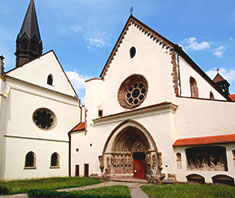
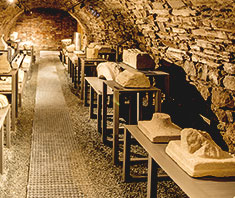
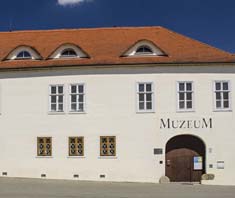
Nová výstava
Max & Edith
Stálá expozice
Židé na Moravě. Vila a její obyvatelé

Old Moses
Growing up, a local coachman Moses Turner used to be Paul’s faithful companion and guide through the magical landscape of childhood. They were connected not only by their sincere love for music but also by the fact that Moses listened patientlyto Paul’s ideas about the world aroundhim, which he was eager to discover. Moses was an ordinary workingman, but and his popular wisdom and kindness provided Paul with an antipole to his strict home environment. Paul created a colourful mystical aura around Moses. He believed that Moses was at least 120 years old, linked to the biblical figure of age-old Moses and that he could perform miracles - such as forcing frogs to appear in a muddy riverbankor to conjure up bottles of ginger ale out of nowhere. Paul often returned to fond memories of him throughout his life.

Meeting with good spirits
During his studies in St. Petersburg, Paul succumbed to spiritualism and held séances with his friends. The table would rise, chairs fall, and often, random messages appeared - all in the course of aséance. It is said that he sometimes heard music wafting from afar. Paul sought to get in touch with ‘another world’in a more serious way than these, through childish tricks. His interest in spiritualism brought him into the company of a healer who healed his patients with the help of ‘good spirits’ while expelling the ‘evil ones’from sick body. He opened imaginary doors in people, allowing the ‘magic’ to flow through uncontrollable laughter and yawning. Paul was fascinated by these miraculous methods and returned to them regularly in later years.

All in onebreath!
For a short time, Paul practiced as ahealer, living in the Russian rurality. Theilliterate locals were persuaded to undergo treatments by the alleged presence of good spirits, even though his medicaments included mostly disinfectants and ointments. Paul wouldsummon them using ‘magical’ incantations and became a wizard to the villagers. None of them knew that it was actually only an English recitation of the ‘Lord’s Prayer’. Later, Paul shared the experience with his spiritual teacher, prince Ozay. During the debates with prince Ozay, he revealed the secrets of reciting the prayer, during which there should be no stopping, falling, or rising in the tone of voice. It is only this continuous sound which gives the prayer a meaning deeper than the words themselves. He considered its flawless saying to be pure art.

A member of a cult
In 1922, Paul became a member of aclub in the American city of Nyack, which focused on adapting the philosophy of yoga to modern day practical life. The club was led by Dr. Pierre Bernard, but to the press it was known as a ‘sectarian tantric group’, with an ‘open attitude to sex’, led by an eccentric doctor known as “Oom Omnipotent” or “Loving Guru“. Paul considered similar assaults by snobs from Nyack society against the Club as stupid. According to him, they only reflected the grudge of hypocrites and puritans who could not accept an open discussion about the human body. However, Nyack and society’s prejudices were not what made Paul decide to leave the club. The reason was the discovery that Bernard was using the community for hispersonal accumulation of money.

Is there a bigger bore in the world than an eating fad?
Paul’s interest in cleansing the body led him to experiment with diets. He once lived for weeks on sour milk and fruit. But he soon found out that those around him considered him a fool. He concluded that he should do the experiments behind closed doors and not botherhis friends. Therefore, he chose the Swiss Divonne, where he developed hisfasting technique in perfect isolation. Even though he started in good condition, he soon lost twenty kilos in twenty-one days. When he got back to normal, he began to crave food and it was necessary to control the craving. He experimented with placing a plate with a knife on the windowsill which had a view of the mountains. He then would slowly peelan orange with ceremonial reverence. He had a feeling that the orange was smiling triumphantly back at him- just like a woman smiles succumbing to a lover she just seduced.

The night he was reborn
During his stay in Egypt in 1936, an opportunity came Paul’s way - to spend a night completely alone in the interiors of the Great Pyramid of Giza. Thanks to his Bedouin friend Mahomet, he entered the normally inaccessible areas of the King’s Chamber where the mummy case with the pharaoh’s remains was stored. Here Paul gained a powerful mystical experience. He compared it to the music of the spheres - an endless space of sounds and colours far beyond the sun, moon and stars. Inside the thousand-year-old pyramid, embodying the wisdom of forgotten civilizations, he reached a state of blissful oblivion followed byan overwhelming calm and relaxation. This night in the pyramid changed his life forever.

Yawn and be fit
From the late 1940s, Paul Dukes devoted himself to finding new ways to prevent fatigue and stress resulting from the diseases of civilization: sedentary work, insomnia, loss of appetite and obesity. His theory was based on releasing tension through yawning and stretching - which meant just using whatmother nature gave us.
“Yawn man, yawn and stretch, you’re running out of oxygen. Stretch, your body and your mind. Turn the tension into new energy with a yawn!”

Something to laugh about
According to Paul Dukes, yawning and stretching weren’t the only ways to achieve peace of mind. His theory also included laughter, and thus, it was possible to literally laugh your way to a happier life. He believed in the wholesome effect of the body’s natural involuntary actions, which can be practised as deliberate exercises. Their result is an overall improvement in the physical and mental condition and a step towards longevity. The participants in Paul’s TV shows were ordinary people - policemen, stenographers, and housewives.

BBC TV star
A turning point in the popularisation of yoga for the general public was a series of television appearances on the BBC channel, which hit the screens in 1949. The fact that two young and talented ballerinas seconded Paul in the TV studio certainly contributed to enhancing the impression of these unique demonstrations of yoga in practice. The twocharming assistants, Julia Warwick and Pamela Fawn were dressed in Native American costumes during the demonstration of the exercises This highly revealing women’s costume for the time, gavethe audience an excellent opportunity to view and understand their stretching muscles during exercises

Upside down
Theheadstand was one of the essential yoga positions for Paul. Even though it seemed unsettlingly for many people, he emphasised its beneficial effect in achieving physical and mental balance. He considered doing away with the rules of gravity. Proposing the headstand for healing and relaxing of both body and mind. For Paul, the headstand was the best and most logical helper for blood circulation ailments, as the blood can quite naturally flow back from the limbs to the heart in this position, providing immediate relief.

When two do the same thing, it’s never quite the same thing… practice makes perfect
In 1950, a report by journalist Patrick Cambell, who attempted to do a handstand as a complete beginner under the guidance of Paul Dukes, was printed in a newspaper. In this amusing article, we can learn about the journalist’s failed attempt, as well as the damage to the apartment interior.During the practice, atable, a bottle of gin and a vase with flowers, all fell victim to the headstand. Surprisingly, the article also mentions that Paul Dukes used to smoke, which may be contrary to his healthy lifestyle for many. The author does not lose his heart and ends his article by saying that he will surely be able to do a headstand as perfectly as his instructor in three years’ time.

Researching centenarians
Paul was fascinated by longevity since childhood.As a consequence, he included systematic research on this topic throughouthis many activities in adulthood. He would visit people who were over a hundred years old,centenarians, and through interviewswould try to uncoverthe reasons for their vitality and longevity. During the research, he found out that the centenarianslifestyle was close to fulfilling the principlesof yoga. Common features of the respondents were, an optimistic view of life, regular and natural movement, plus mental and physical balance. These conclusions confirmed his belief that yoga is a definite way to prolong life.

The recipe for the elixir of youth
During his lectures, Paul would often talk about the fact that the average life expectancy should be 120 years. The path to longevity for him was yoga practice. He had anindisputable proof for his theory - at the age of seventy-five, he was still actively practising the most demanding yoga exercises and hisvisage corresponded to that of a fifty-year-old man. Perhaps this is also why he, together with his wife Diana, who seconded Paul with success, was the subject of such great interest from journalists. What was behind their unprecedently youthful appearance, and their incredible physical condition has become the subject of much speculation.

 

UDÁLOST

Degustace

24. 02. 2026 -

web pozvánka 61

Opět po roce Vás srdečně zveme do Café Löw--Beer na řízenou degustaci vín rodinného vinařství Doležal z Hrušek.


Vinařství hospodaří na vinicích o rozloze 3,5 ha v tratích Hastrmany a Písky v Hruškách a Stará hora v Týnci. Na péči o vinohrady se podílí celá rodina, která se snaží k vinicím přistupovat ekologicky. Ve sklepě se pak úroda zpracovává jak tradičními, tak moderními metodami na krásná přívlastková vína, která získala již řadu ocenění na národních i mezinárodních soutěžích.


Rezervace nutná:
Soňa Kalousková
T 723 114 672
M Tato e-mailová adresa je chráněna před spamboty. Pro její zobrazení musíte mít povolen Javascript.
C 300 Kč pouze degustace
500 Kč degustace včetně občerstvení


Pozvánka degustace Doležal 1 page 0001

Přednáška

Vášeň pro kresbu

25. 02. 2026 -

web pozvánka 59

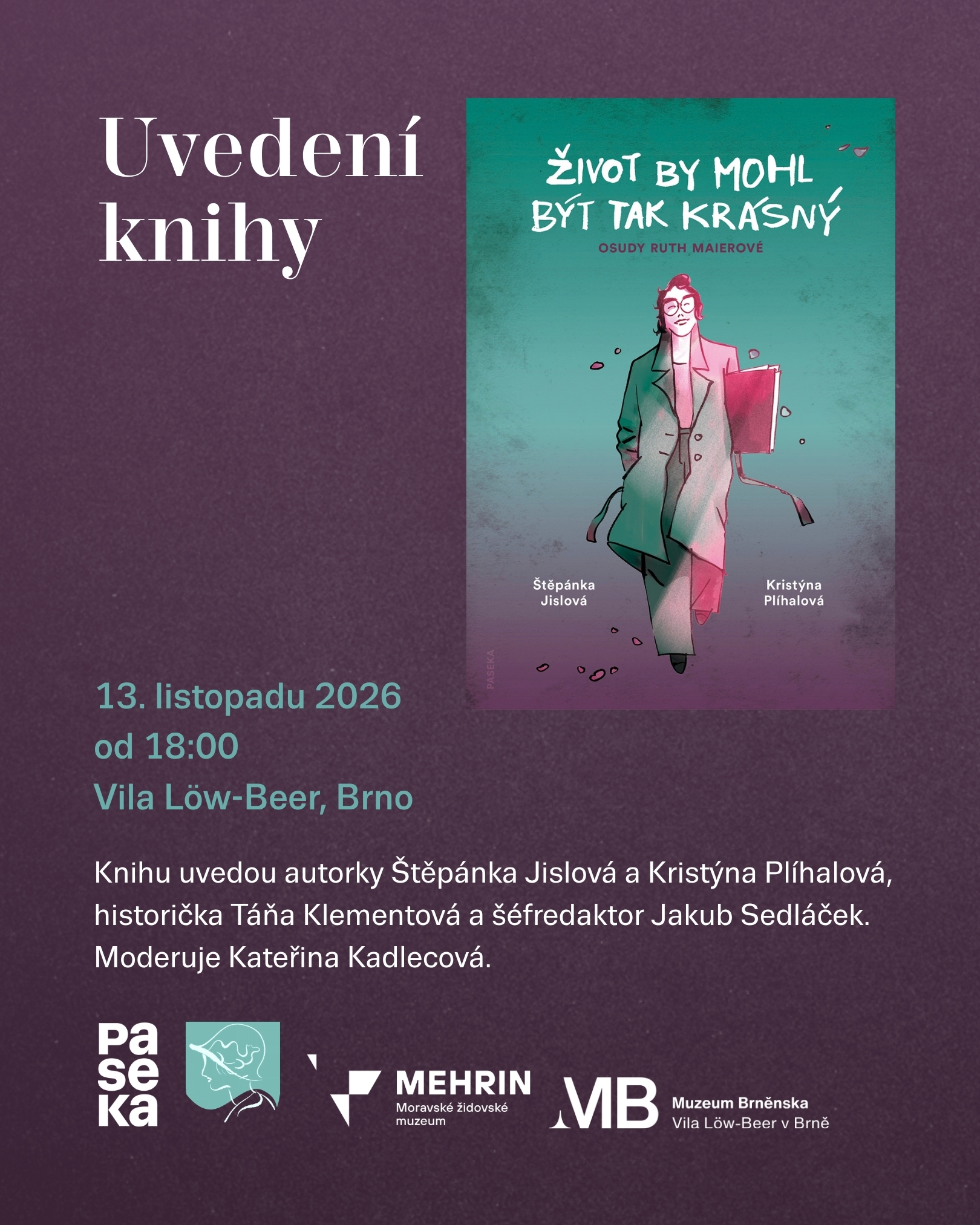
Přijměte pozvání do Vily Löw-Beer na přednášku Vášeň pro kresbu. Mezi oběma světovými válkami se v Brně a Prostějově zrodily tři pozoruhodné kolekce kreseb starých mistrů. O nich, mimořádných kresbách a jejich židovským sběratelích bude přednášet Zdeněk Kazlepka, znalec italského malířství renesance a baroku, který působí v Muzeu umění Olomouc, oddělení Arcidiecézní muzeum Kroměříž.


25. 2. 2026 v 17 h
Vstup volný


Pozvánka přednáška Kazlepka page 0001 1

Kavárna

Na kávu s paní Marianne

01. 03. 2026 - 31. 03. 2026

web pozvánka 62

Když se spojí dobrá káva, pomoc druhým a krásné hrnečky, vznikne něco smysluplného.


Zaměstnanci Vily Löw-Beer připravili charitativní projekt nazvaný „Na kávu s paní Marianne“, který propojuje historii s pomocí těm, kteří ji potřebují. Inspirován je osobností Marianne Löw-Beer (manželkou majitele Vily Löw-Beer) elegantní a noblesní ženou, která se sama ráda věnovala dobročinnosti.

V rámci projektu si mohou návštěvníci zakoupit hrneček dle vlastního výběru za minimální částku 50 Kč. Nejde jen o milou vzpomínku či drobný suvenýr – celý výtěžek ze zakoupených hrnečků putuje přímo na transparentní účet brněnského dětského hospice Dům pro Julii, který poskytuje odbornou péči vážně nemocným dětem a podporu jejich rodinám. Z každého daru jde na pomoc 100 % částky. 


Zakoupením hrnečku se tak symbolicky připojujete k odkazu paní Marianne a zároveň konkrétně pomáháte. Projekt probíhá v Kavárně Café Löw-Beer, kde je prostor pro všechny návštěvníky – malé i velké. Přijďte podpořit dobrou věc a odnést si hrneček s příběhem.

Festival

Jeden Svět

21. 03. 2026 - 24. 03. 2026

Festival Jeden svět váz zve na promítání filmů do unikátních prostro Vily Löw-Beer v Brně. Podrobný program naleznete níže. 


Ve Vile Löw-Beer se v rámci konání festivalu Jeden svět můžete těšit na tyto filmy: 

  • 21.3. 18:00 Až mě zabásnou
  • 21.3. 20:30 Právo nezemřít
  • 22.3. 18:00 Stínová akademie
  • 22.3. 20:30 Sang: Dítě prachu
  • 23.3. 18:00 Co s Péťou?
  • 23.3. 20:30 Rebelská raperka z Kyrgyzstánu
  • 24.3. 18:00 Slyšíš mě?
  • 24.3. 20:30 Pátrání po Satyrovi


21.3. 18:00 Až mě zabásnou
Rež. Anastasiia Vedenskaia / Francie / 2025 / 65 min.
Aljoně Gribkové hrozí vězení. Důvod? Pokojný protest proti policejnímu zásahu během uctění památky zesnulého opozičního vůdce Alexeje Navalného.
V únoru 2024 Navalnyj umírá v trestanecké kolonii a do ulic po celém Rusku vyrážejí stovky lidí. S květinou přichází i mladá žena Aljona. Odmítá ustoupit policejnímu zásahu a následuje zatčení, dočasné propuštění a čekání na soud. V rozpětí několika dnů film propojením osobního příběhu a záběrů z ulic ukazuje děsivou obratnost, se kterou ruský režim ohýbá lidská práva a drží své obyvatelstvo v pevných kleštích nesvobody. Zatím co matka dceru přemlouvá, aby se držela při zemi, Aljona situaci čelí s hlavou vzpřímenou a ptá se: „Pokud v Rusku nemůžete pokládat květiny, ani za mrtvé, co tu můžete dělat?“
ENG:
When I Get Jailed / Anastasiia Vedenskaia / France / 2025 / 65min.
Alyona Gribkova faces prison. The reason? A peaceful protest against a police raid during a memorial for the late opposition leader Alexei Navalny
In February 2024, Navalny dies in a penal colony, and hundreds take to the streets across Russia. Among them is a young woman by the name of Alyona, who arrives with a single flower. She refuses to yield to the police, facing arrest, temporary release, and a tense wait for her trial. Over the course of several days, the film juxtaposes her personal story with footage from the streets, revealing the terrifying precision with which the Russian regime bends human rights and keeps its citizens in tight grips of oppression. While her mother urges caution, Alyona confronts the situation with her head held high and asks: “If in Russia you can’t lay flowers, even for the dead, what can you do here?”


21.3. 20:30 Právo nezemřít
Rež: Reid Davenport / USA / 2025 / 99 min.
Je asistovaná smrt svobodnou volbou, nebo důsledkem systémového selhání? Mrazivá sonda do reality, v níž je smrt levnější než důstojná péče.
V roce 1983 vyvolala Elizabeth Bouvia celonárodní diskusi o právu na smrt. Nyní se režisér Reid Davenport vydává po stopách jejího zmizelého příběhu a zkoumá mrazivé pozadí asistovaného umírání. Skrze osobní perspektivu filmaře s postižením odkrývá realitu, v níž se smrt zdá být levnějším a dostupnějším řešením než zajištění důstojné péče v neúprosném kapitalistickém systému. Snímek dává zaznít hlasům lidí s postižením, které v debatách o autonomii často zanikají. Davenport zkoumá křehkou hranici mezi osobní volbou a tlakem systému, v němž se nedostupná péče, chudoba a izolace mohou proměnit v argument pro smrt jako jediné dostupné řešení.
ENG:
Life After / Reid Davenport / USA / 2025 / 99min.
Is assisted dying a free choice, or the result of systemic failure? A chilling probe into a reality where death is cheaper than dignified care.
In 1983, Elizabeth Bouvia sparked a nationwide debate on the right to die. Now filmmaker Reid Davenport retraces her largely forgotten story and examines the unsettling realities behind assisted suicide. Through the personal perspective of a filmmaker with a disability, Davenport reveals a world in which death appears to be the cheaper and more accessible option than providing dignified care in an unforgiving capitalist system. The film amplifies the voices of people with disabilities that are often marginalized in debates about autonomy. Davenport explores the fragile boundary between personal choice and systemic pressure, where unaffordable care, poverty, and isolation can become arguments for death as the only solution available.


22.3. 18:00 Stínová akademie
Rež. Eloise King / Velká Británie / 2024 / 97 min
Mnoho vzdělaných lidí z Keni nemůže ve své rodné zemi sehnat kvalifikovanou práci. Často se proto živí psaním esejí pro studentstvo západních univerzit. Jak funguje tajný plagiátorský ekosystém, který se nevyhýbá ani nejprestižnějším vzdělávacím institucím?
Socioložka Patricia Kingori, nejmladší černošská profesorka v historii Oxfordu, se vydává na investigativní cestu s cílem dozvědět se o temných stránkách akademického provozu víc. Film empaticky přibližuje životy lidí, kteří pod časovým i ekonomickým tlakem anonymně produkují akademické práce na objednávku. Jejich neviditelná práce generuje provokativní otázky o vztahu mezi globálním jihem a severem i o samotném smyslu vysokého školství.
ENG:
The Shadow Scholars / Eloise King / UK / 2024 / 97min.
Many educated people in Kenya are unable to find qualified work in their own country. As a result, they often make a living by writing essays for students at Western universities. How does this secretive plagiarism ecosystem function, and why does it reach even the most prestigious institutions?
Sociologist Patricia Kingori, the youngest Black professor in Oxford’s history, embarks on an investigative journey to uncover the darker side of academic life. The film thoughtfully reveals the lives of people who, under intense time and financial pressure, anonymously produce academic work on demand. Their invisible labor raises provocative questions about the relationship between the global South and North, and about the very purpose of higher education itself.


22.3. 20:30 Sang: Dítě prachu
Rež: Weronika Mliczewska / Česká republika, Polsko, Katar, Švédsko, Vietnam / 2025 / 93 min.
Podmanivý film plný stesku i naděje sleduje Sanga, vietnamského muže, který se po letech strávených na okraji společnosti rozhodne k odvážnému kroku – setkat se poprvé se svým americkým otcem.
Sang je dítětem války ve Vietnamu; narodil se místní matce, jeho otcem je americký voják. Kvůli svému původu vyrůstal, stejně jako ostatní děti opuštěné vojáky, v chudobě a osamění. Svému životnímu traumatu se ale postaví čelem a vypátrá identitu svého dlouho nepřítomného táty. Aby však Sang poznal svou americkou rodinu, musí nejprve opustit domov a vydat se na nejistou pouť po přetrhaných kořenech. Nalezne ztracené dětství, nebo otevře novou ránu? Citlivý film vypráví o zapomenuté kapitole globálních vztahů, historickém traumatu i neschopnosti americké společnosti převzít zodpovědnost za svou minulost.
ENG:
Child of Dust / Weronika Mliczewska / Czech Republic, Poland, Qatar, Sweden, Vietnam / 2025 / 93min.
This haunting film, infused with longing and hope, follows Sang, a Vietnamese man who, after years of living on the margins of society, takes a courageous step: to meet his American father for the first time.
Sang is a child of the Vietnam War. Born to a local mother and an American soldier, he grew up—like many children abandoned by foreign troops—in poverty and isolation. Yet he chooses to confront his lifelong trauma and set out to trace the identity of his long-absent father. To meet his American family, Sang must first leave home and embark on an uncertain journey across fractured roots. Will he recover a lost childhood, or open a new wound? This sensitive film explores a forgotten chapter of global relations, historical trauma, and the failure of American society to take responsibility for its past.


23.3. 18:00 Co s Péťou?
Rež. Martin Trabalík / Česká republika / 2025 / 85 min.
Intimní portrét vztahu otce a syna s poruchou autistického spektra zachycuje náročnost i sílu každodenní péče. Současně odhaluje limity systému, který příliš často spoléhá na oběti druhých.
Po smrti své manželky přebírá pan Jochec péči o dvě dospívající děti, dceru Vanessu a syna Petra s poruchou autistického spektra. Péťovi brzy bude osmnáct let a fyzicky je již dospělým mužem. Během občasných výbuchů vzteku ubližuje sobě i svému okolí. Navzdory rostoucí náročnosti věnuje otec péči o syna značnou část své fyzické i duševní síly. Formálně propracovaný observační dokument je především poctou lidem na pečujících pozicích. Prostřednictvím jednoho lidského příběhu zároveň upozorňuje na omezení stávajícího sociálního systému, který osobám s postižením ani jejich blízkým neposkytuje dostatečnou podporu.
ENG:
What About Petey? / Martin Trabalík / Czech Republic / 2025 / 85min.
This intimate portrait of the relationship between a father and his son on the autism spectrum captures both the difficulty and the strength inherent in everyday caregiving. At the same time, it exposes the limits of a system that too often relies on the sacrifices of others.
After the death of his wife, Mr. Jochec takes on the care of his two teenage children: his daughter Vanessa and his son Petr, who is on the autism spectrum. Petr will soon turn eighteen and is already physically an adult man. During occasional outbursts of anger, he harms himself and those around him. Despite the growing demands, the father devotes a significant portion of his physical and emotional strength to caring for his son.
This formally refined observational documentary is primarily a tribute to people in caregiving roles. Through a single human story, it also draws attention to the shortcomings of the current social system, which fails to provide sufficient support to people with disabilities and their families.


23.3. 20:30 Rebelská raperka z Kyrgyzstánu
Rež. Leigh Iacobucci / Švýcarsko / 2025 / 65 min.
Zere je rebelka, která čeří stojaté vody kyrgyzského patriarchátu. Svou hudbou a vystupováním upozorňuje na alarmující stav práv dívek a žen v zemi, kde je jim předepsáno tiše sedět v koutě.
Když devatenáctiletá Zere Asylbek zveřejní provokativní hudební video požadující respekt k těm, které jsou v místní kultuře dlouhodobě znevýhodňovány, vyvolá v konzervativním Kyrgyzstánu bouřlivou reakci. Film sleduje její cestu od popové zpěvačky k výrazné občanské aktivistce v zemi, kde jsou únosy nevěst, domácí násilí i společenské umlčování poloviny populace stále realitou. Zere čelí výhrůžkám, veřejnému zostuzení i obviněním, že chce zničit „tradiční hodnoty“ a slouží cizím vlivům. Přesto odmítá mlčet. Intimní dokument zachycuje střet osobní odvahy s represivním systémem a ukazuje, jak může hudba otevřít prostor ke společenské změně v křehké demokracii.
ENG:
A Free Daughter of Free Kyrgyzstan / Leigh Iacobucci / Switzerland / 2025 / 65min.
Zere is a rebel, stirring the stagnant waters of Kyrgyz patriarchy. Through her music and public performances, she exposes the alarming state of girls’ and women’s rights in a country where they are expected to sit quietly in the corner.
When nineteen-year-old Zere Asylbek releases a provocative music video demanding respect for those long disadvantaged by local culture, it sparks a fierce backlash in conservative Kyrgyzstan. The film follows her journey from pop singer to outspoken civic activist in a country where bride kidnappings, domestic violence, and the social silencing of half the population remain all too real. Zere faces threats, public shaming, and accusations that she seeks to destroy “traditional values” and serve foreign interests. Yet she refuses to stay silent. This intimate documentary captures the collision of personal courage with a repressive system, showing how music can create space for social change in a fragile democracy.


24.3. 18:00 Slyšíš mě?
Rež. Eva Libertad / Španělsko / 2025 / 99 min.
Ángela čeká miminko, její upřímnou radost však zároveň kalí obavy. Jak bude jako matka fungovat ve světě, který neslyší? Výjimečně citlivé drama o partnerství a výzvách nestandardního rodičovství.
Hector a Ángela mají idylický vztah, který nijak nenarušuje to, že ona je neslyšící. Příprava na blížící se rodičovství ale začne vyvolávat pochyby. Každý z partnerů by si přál, aby mu dítě dobře rozumělo a chápalo ho, ale ať už bude, nebo nebude slyšet, hrozí, že potomek vždy bude patřit do světa jen jednoho z rodičů. Niterná výpověď o vztazích a s nimi souvisejících hranicích pochopení je debutním snímkem režisérky, jež do hlavní role obsadila svou neslyšící sestru. Právě jejich soužití a rozhovory inspirovaly film, který s mimořádnou empatií zprostředkovává zkušenost sociálního vyloučení.
ENG:
Deaf / Eva Libertad / Spain / 2025 / 99min.
Ángela is expecting a baby, but her genuine excitement is tinged with worry. How will she navigate motherhood in a world that cannot hear her? This exceptionally sensitive drama explores partnership and the challenges of nonstandard parenting.
Hector and Ángela share an idyllic relationship, undisturbed by her deafness. Yet as they prepare for parenthood, doubts begin to surface. Each partner hopes their child will understand and connect with them, but whether the child can hear or not, there is a risk that they will belong to only one parent’s world. This intimate exploration of relationships and the limits of understanding marks the debut of a director who cast her own deaf sister in the lead role. Their shared life and conversations inspired a film that conveys, with remarkable empathy, the experience of social exclusion.


24.3. 20:30 Pátrání po Satyrovi
Rež. Rena Effendi / Ázerbájdžán, USA / 2025 / 101 min.
Hory mezi znepřátelenými zeměmi Ázerbájdžánem a Arménií jsou jediné místo, kde lze spatřit vzácného motýla. Na dobrodružnou výpravu za jeho polapením se vydává dcera entomologa, podle nějž je motýl pojmenován.
Vzácný motýl Satyrus effendi je pro Renu vzdálený a nepolapitelný, podobně jako její zesnulý otec. Okřídleného satyra lze totiž spatřit jen několik týdnů v roce v horách mezi Ázerbájdžánem a Arménií. Touha dozvědět se, jaký život Rustam Effendi vedl a proč nebyl v Renině dětství více přítomný, je pro ni motivací v pátrání po minulosti její rodiny. V Renině příběhu je zlomový rok 1990, kdy do rodného Baku přišla válka a zároveň umíral její otec. Rodinná historie se tak neoddělitelně spojila s tragickou historií regionu.
ENG:
Searching for Satyrus / Rena Effendi / Azerbaijan, USA / 2025 / 101min.
The mountains between the hostile nations of Azerbaijan and Armenia are the only place where a rare butterfly can be seen. The daughter of the entomologist after whom the butterfly is named embarks on an adventurous expedition to capture it.
The rare butterfly Satyrus effendi is distant and elusive to Rena, much like her late father. The winged Satyrus can only be seen for a few weeks a year in the mountains between Azerbaijan and Armenia. The desire to learn what kind of life Rustam Effendi led and why he wasn’t more present during Rena’s childhood motivates her to search into her family’s past. A turning point in Rena’s story is the year 1990, when war came to her native Baku just as her father was dying. Family history thus became inseparably linked to the region’s tragic history.


Další pozvánky Archiv

Výstava

Projekt Austerlitz: objektivem fotografů světových agentur

26. 11. 2025 - 31. 03. 2026

web pozvánka 46

Srdečně Vás zveme na výstavu fotografii, kteoru naleznete v zahradě Vily Löw-Beer. Výstava je přístupná v době otvírací doby zahrady. Těšíme se na vaši návštěvu. 


 Pozvánka Austerlitz2Pozvánka Austerlitz2

Výstava

Art in Progress

23. 10. 2025 - 28. 02. 2026

web pozvánka 38

Galerie v zahradě ožila studentskou tvorbou!

Srdečně vás zveme na výstavu prací studentů oboru Design interiéru a textilu ze Střední školy umění a designu a VOŠ v Brně, která ukazuje talent a kreativitu mladé generace.

Přijďte se podívat do Galerie v zahradě VLB – čekají vás originální nápady, svěží pohled na design a inspirace pro každého.

Vstup zdarma. Výstava prodloužená do 28.2.2026.

Otevřeno: úterý-neděle 10 - 18.

Výstava

Thea Chatrná: Plevelení

28. 01. 2026 - 31. 05. 2026

web


Srdečně Vás zveme na výstavu umělkyně a brněnské rodačky They Chatrné nazvanou Plevelení. Výstavu je možné zhlédnout v hale vily. 


Thea Chatrná je brněnskou rodačkou, která vystudovala obor textilní výtvarnictví (dnes Design interiéru a textilu) na Střední škole umění a designu v Brně. Ve studiu pokračovala na Vysoké škole uměleckoprůmyslové v Praze v ateliéru textilu. Ve své tvorbě se zabývá netradičními lokálními rostlinnými zdroji, které označujeme jako invazivní či plevelné, a možnostmi jejich využití. Svou prací se snaží představit jejich potenciál i různorodé využití v textilní tvorbě. Zájem o místní zdroje u ní vyvěrá primárně z pocitu sounáležitosti a potřeby porozumět habitatu, ve kterém žijeme. Nyní tedy budete mít příležitost nahlédnout do zákoutí bující zahrady prostupující Vilou Löw-Beer.


Výstava

Max a Edith

09. 12. 2025 - 29. 05. 2026

web pozvánka

Max a Edith Löw-Beer je název nové výstavy, kterou Muzeum Brněnska představuje ve Vile Löw-Beer a probouzí tak po více než osmdesáti letech příběh rodiny, která v Brně musela zanechat svůj dosavadní život.


K desátému výročí otevření muzea Vila Löw-Beer v Brně vznikla výstava připomínající osud manželů Maxe a Edith Löw-Beerových. Max, syn původního majitele vily Alfreda Löw-Beera, a jeho žena Edith byli roku 1938 donuceni pod rostoucím tlakem nacismu opustit Československo. O dva roky později našli nový domov ve Vancouveru - daleko od místa, kde jejich rodina po generace budovala textilní impérium i společenské postavení. Jejich odchod nebyl pouhou změnou adresy, ale bolestným přetržením vazeb k domovu, zázemí a jistotám.

Na základě tohoto poutavého příběhu vznikla výstava, kterou její autorka, historička Mgr. Jana Černá Ph.D., připravovala více než rok. Studium archivních materiálů, dopisů, rodinných pamětí i zahraničních muzejních sbírek umožnilo vytvořit výstavu, jež na příběhu Maxe a Edith odráží zkušenost, kterou v období nastupujícího útlaku prožily tisíce rodin. Díky dlouhodobé a pečlivé práci autorky vznikl celek, který si bere za cíl návštěvníky nejen informovat, ale také hluboce oslovit.

Celé výstavě i příběhu dominuje unikání zápůjčka ze zámoří - čtyři kusy dobových oděvů. „Pro takto důležitou výpůjčku bylo potřeba mnoho příprav. Kromě samotné zápůjčky, která byla složitá hlavně administrativně, jsme museli uzpůsobit výstavní prostory a pro předměty vytvořit ideální podmínky jak bezpečnostní, tak klimatické.“ říká Jana Černá, autorka výstavy. Příběh, který začal ve Vile Löw-Beer, se do vily po více než osmdesáti letech zase vrací. „Poodkrýváme osud jedné generace, která svým rozhodnutím a odvahou změnila svůj osud. Nejde o příběh ztráty, ale o příběh odvahy začít znovu v neznámém prostředí.“ dodává Černá.

Návštěvník se ve Vile Löw-Beer skrze stylizované scény přenese do společenského života dané doby a nahlédne tím do života prominentní rodiny. Výstava bude doplněna audiovizuálním dílem, které ukáže běžné a všední radosti. Rádi vás přivítáme a věříme, že vás tento příběh zasáhne stejně jako nás. 

Výstava Max a Edith vznikla k 10. výročí otevření Vily Löw-Beer v Brně za finanční podpory Ministerstva kultury České republiky.

bar.ces.poz

_____________________________________________________________ EN

Max and Edith Löw-Beer is the name of a new exhibition presented by the Brno Region Museum at the Löw-Beer Villa, reviving after more than eighty years the story of a family who had to leave their life in Brno behind.

On the tenth anniversary of the opening of the Löw-Beer Villa Museum in Brno, an exhibition commemorating the fate of Max and Edith Löw-Beer was created. Max, the son of the villa's original owner Alfred Löw-Beer, and his wife Edith were forced to leave Czechoslovakia in 1938 under growing pressure from Nazism. Two years later, they found a new home in Vancouver – far from the place where their family had built a textile empire and social status over generations. Their departure was not merely a change of address, but a painful severing of ties to their home, background, and certainties.

The entire exhibition is also available in English.

The Max and Edith exhibition was created to mark the 10th anniversary of the mening of the Löw-Beer Villa in Brno with the financial support of the Ministray of Culture of the Czech Republic.

bar.ces.poz

LETAK A6 BEZ page 0001

Další probíhající akce

Aktuálně

Aktuálně

Vážení návštěvníci, v následujících dnech čeká vilu Löw-Beer několik změn:

  • 24.2. uzavírka od 15:00 (poslední vstup možný do 14:00)
  • 25.2. uzavírka od 17:00 (poslední vstup možný do 16:00)
  • 27.2. uzavírka od 16:00 (poslední vstup možný do 15:00)

Děkujeme za pochopení.


Otevírací hodiny

Vstupné

muzeum brnenska

Muzeum
Brněnska

příspěvková organizace
více informací
vila low beer

Památník
písemnictví

na Moravě
více informací
mohyla miru

Památník

Mohyla
míru
více informací

Podhorácké
muzeum

klášter porta coeli
více informací
podhoracke muzeum

Muzeum v
Ivančicích

lapidárium
více informací
muzeum ivancice

Muzeum
ve Šlapanicích

scholasterie
více informací
muzeum slapanice

partner jihomoravsky kraj partner asociace muzeii partner cesky rozhlas icom prague 2022 top jizni morava IDS - JMK partner kudy z nudy partner webarchiv

All Rights Reserved Muzeum Brněnska © 2020, Webdesign by LE CLAVERA s.r.o.

Informace o cookies

Když kliknete na "Přijmout všechny soubory cookie", poskytnete tím souhlas k jejich ukládání na vašem zařízení, což pomáhá s navigací na stránce, s analýzou využití dat a s našimi marketingovými snahami.

Nastavení cookies


Používáme následující soubory cookies

Při návštěvě jakékoli webové stránky je pravděpodobné, že stránka získá nebo uloží informace na vašem prohlížeči, a to většinou ve formě souborů cookie. Můžou to být informace týkající se vás, vašich preferencí a zařízení, které používáte. Většinou to slouží k vylepšování stránky, aby fungovala podle vašich očekávání. Informace vás zpravidla neidentifikují jako jednotlivce, ale celkově mohou pomoci přizpůsobovat prostředí vašim potřebám. Respektujeme vaše právo na soukromí, a proto se můžete rozhodnout, že některé soubory cookie nebudete akceptovat. Když kliknete na různé tituly, dozvíte se více a budete moci nastavení změnit. Nezapomínejte ale na to, že zablokováním některých souborů cookie můžete ovlivnit, jak stránka funguje a jaké služby jsou vám nabízeny.

Tyto cookies jsou nezbytné k tomu, aby Webové stránky fungovaly, takže není možné je vypnout. Většinou jsou nastavené jako odezva na akci, kterou na Webových stránkách sami provedete, jako je např. bezpečnostní nastavení, přihlašování, vyplňování formulářů. Prohlížeč můžete nastavit tak, aby blokoval soubory cookies nebo o nich posílal upozornění. Mějte na paměti, že některé stránky bez těchto souborů nebudou fungovat. Tyto soubory cookies neukládají žádné informace přiřaditelné ke konkrétní osobě. Tyto cookies můžeme nastavovat my nebo poskytovatelé třetí strany, jejichž služby na stránkách používáme. Tyto soubory cookies neukládají žádné informace přiřaditelné ke konkrétní osobě.
Tyto cookies slouží ke zlepšení fungování Webových stránek. Umožňují nám rozpoznat a zjistit počet návštěvníků a sledovat, jak návštěvníci používají Webové stránky. Pomáhají nám zlepšovat způsob, jakým Webové stránky fungují, například tak, že umožňují uživatelům snadno najít to, co hledají. Tyto cookies neshromažďují informace, které by dokázaly identifikovat Vaši osobu. Pomocí těchto nástrojů analyzujeme a pravidelně zlepšujeme funkcionalitu našich Webových stránek. Získané statistiky můžeme použít ke zlepšení uživatelského komfortu a abychom učinili Vaši návštěvu Webových stránek zajímavější pro Vás jako uživatele.